by CENTI CENTI

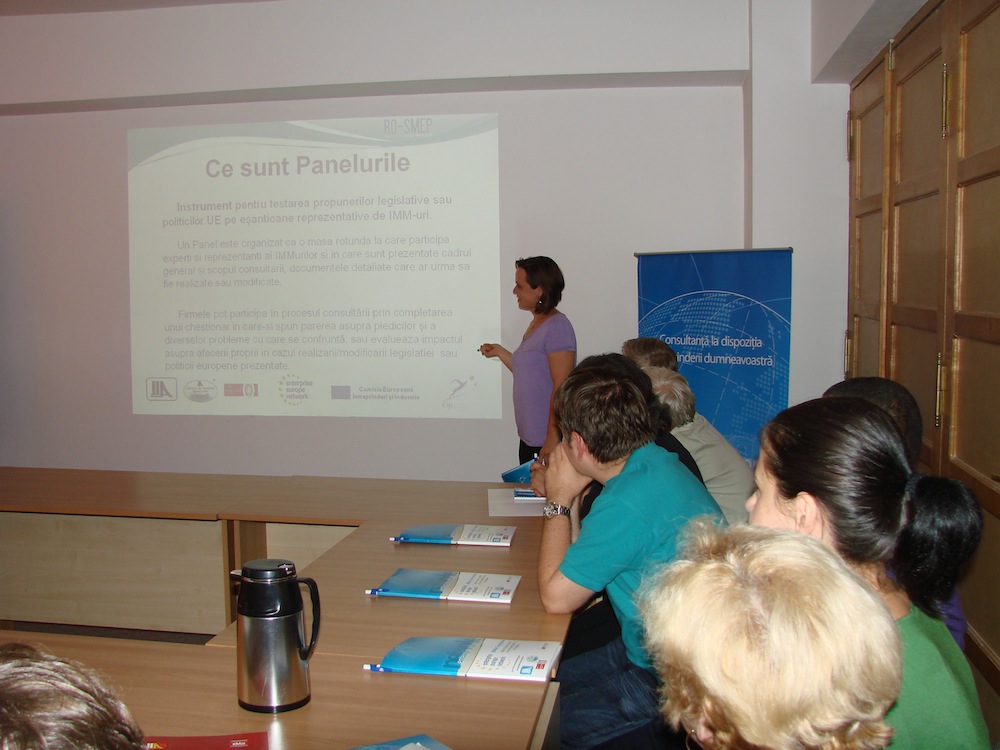
Lansare proiect RO-SMEP

In perioada martie 2010 – martie 2012, prin parteneriatul a 9 entitati membre grupului EEN s-a propus si aprobat proiectul RO‐SMEP finantat de Comisia Europeana in cadrul programului CIP (Competitiveness & Innovation Programme). Scopul acestui proiect este sa faciliteze participarea firmei dumneavoastra la procesul legislativ european prin crearea unui cadru operational pentru colectarea opiniilor dumneavoastra in privinta politicilor si legislatiei europene care va influenteaza afacerea. Prin urmare va invitam sa participati la primul eveniment al proiectului in care puteti afla in mod concret care este mecanismul prin care va puteti face auzita vocea in Europa.


by CENTI CENTI

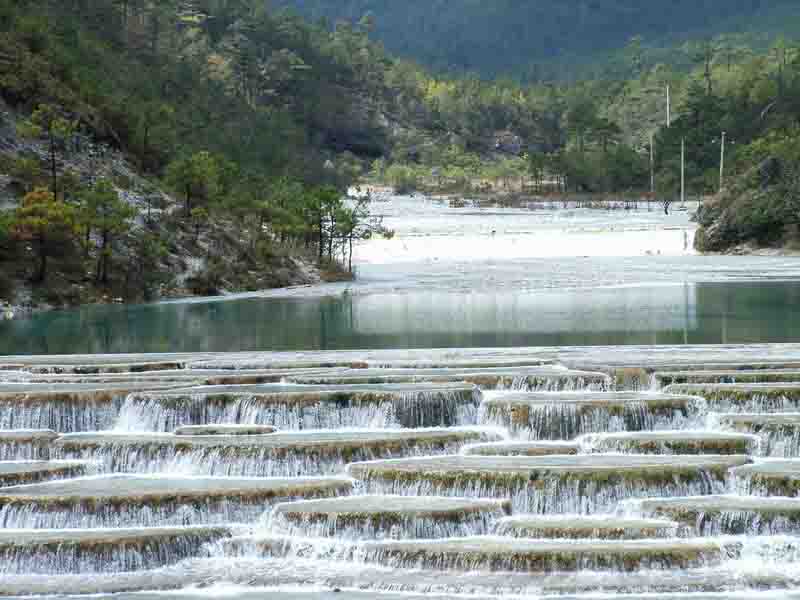
Bacteriile curăță apa în Valea Jiului

Microorganismele folosite la epurare au nevoie de o apă cât mai murdară pentru „a-şi face treaba”.

Compania Naţională a Huilei Petroşani a instalat o staţie de tratare a apelor menajere care funcţionează pe bază de bacterii.

Staţia de tratare a apelor menajere pe bază de bacterii a fost dată în folosinţă la Exploatarea Minieră Uricani din vestul Văii Jiului.

Compania Naţională a Huilei (CNH) din Petroşani a cheltuit pentru acest proiect circa 650 de mii de lei. Microorganismele folosite la epurare au nevoie de o apă cât mai murdară pentru „a-şi face treaba”.

Investiţia este singura de acest fel din România, după cum susţine conducerea CNH. O parte a echipamentelor au fost furnizate de o firmă din Ungaria, iar staţia a fost realizată de o firmă privată din Valea Jiului. Aceasta a fost dată în folosinţă miercuri, înainte de termen, au precizat reprezentanţii CNH Petroşani.

Are un debit maxim de apă uzată de 140 mc/zi, şi funcţionează 24 de ore din 24 cu o putere instalată de 11 kw.

„Prietenoasă cu mediul”

Staţia face parte dintr-un program demarat de compania minieră încă din 2004, care este aproape de final şi prevede alinierea la normele europene de mediu.

Fără aceste investiţii, CNH Petroşani nu ar mai fi primit autorizaţia de mediu. „în cursul acestei luni am realizat două obiective de mediu. Este vorba despre staţia de epurare ape menajere de la Uricani şi staţia de epurare ape de mină de la Lupeni. Concentrarea companiei în acest an va fi pe problemele de mediu, urmând a da în folosinţă alte două staţii de epurare a apelor menajere la Paroşeni şi Lonea.

Investiţiile acestea totalizează undeva la 3 milioane de lei. Odată cu finalizarea acestor obiective, CNH va putea fi considerată «prietenoasă» cu mediul”, a declarat Daniel Surulescu, director general CNH Petroşani.

CNH a demarat proiectele de mediu în 2004, când a oprit deversarea apelor rezultate în urma spălării cărbunelui în Râul Jiul. Efectul a apărut imediat: Jiul, considerat anterior cel mai poluat râu din România, a ajuns în momentul de faţă, cel puţin în partea superioară, să fie cea mai curată apă din ţară.

Conformare la normele de mediu

Prin programul de etapizare şi conformare la noile norme de mediu, Compania Naţională a fost obligată să investească masiv în „instalaţii ecologice”.

Astfel, a reabilitat instalaţia de funicular pe care se transportă sterilul şi şi-a betonat suprafeţele depozitelor de material lemnos.

Pentru a-şi menţine autorizaţia de mediu au fost necesare lucrări pentru depoluarea solului la depozitul de carburant sau betonarea şi realizarea acoperişului de protecţie a diverselor recipiente cu substanţe utilizate în industria minieră.


by CENTI CENTI

Cimentul verde – o soluție împotriva încălzirii globale

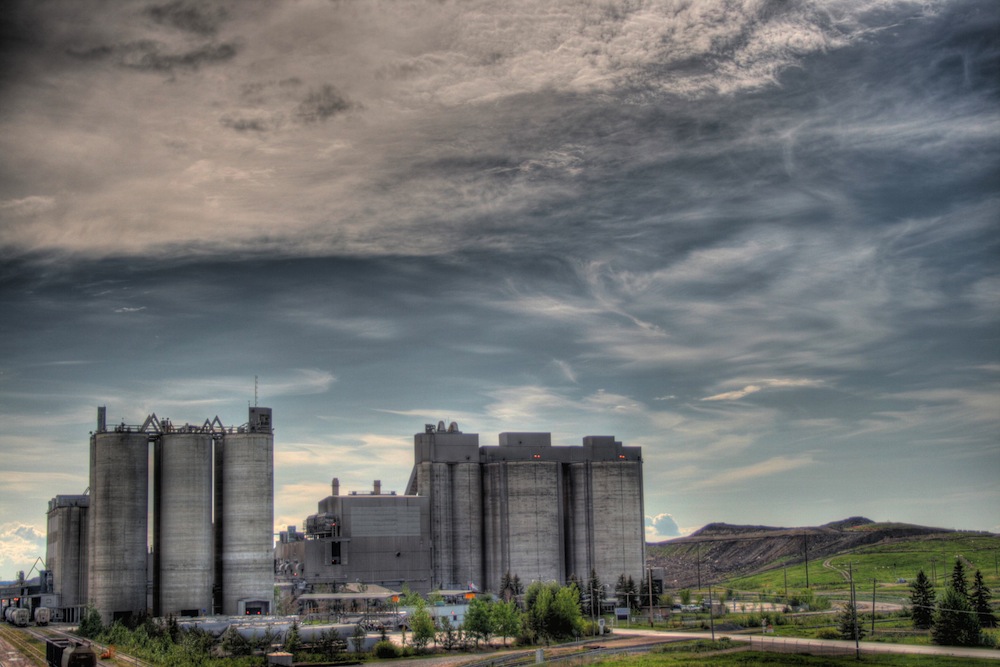
O echipa de ingineri britanici a pus la punct un ciment revolutionar, capabil sa retina emisiile de CO2 in timp ce se solidifica, anunta Corriere della Sera.

Inginerii din cadrul firmei britanice Novacem au reusit sa dezvolte o formula pentru producerea unei noi tipologii de ciment, atat de ecofriendly incat poate absoarbi o buna parte din bioxidul de carbon prezent in atmosfera. Realizarea noului material, compus din silicat de magneziu, se face la temperaturi mult mai putin ridicate fata de cele atinse in cuptoarele in care este preparat cimentul traditional (asadar un consum mai mic de energie); in plus, spre deosebire de acesta din urma, cimentul Novacem absoarbe cantitati mari de CO2 in timp ce se solidifica, reducandu-se astfel emisiile corelate fazei de productie. Compania a demarat deja un proiect pentru constructia unei instalatii-pilot destinate realizarii noului ciment si potrivit sefului echipei de ingineri, Nikolaos Vlasopoulos, produsul ar putea fi lansat pe piata in cel mult cinci ani.

Productia de ciment utilizat in constructii se numara printre principalii “imputati” ai incalzirii globale, dar acest lucru survine in buna parte din cauza tehnologiilor inadecvate utilizate de aceasta industrie care, conform datelor stranse de experti, produce circa 5% din emisiile globale de CO2; adica o cota mai mare chiar si decat decat cea generata de transportul aerian.

In plus, potrivit datelor expertilor bancii franceze Credit Agricole, in deceniul urmator, cererea de ciment va creste cu 50%, afectand evident si emisiile: se estimeaza ca sectorul in chestiune ar putea ajunge sa emita de unul singur o cantitate de CO2 egala cu cea produsa in clipa de fata de intreaga Europa.


by CENTI CENTI

Biocombustibil din plastic

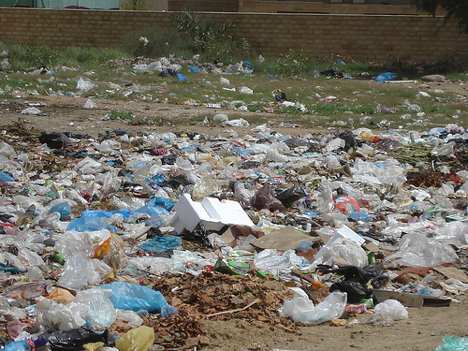
Mult-hulitul plastic, unul din cele mai poluante materiale existente în acest moment, “vinovat” de situaţia gravă în care se află mii de specii de animale şi plante, s-ar putea schimba radical în anii următori.

Potrivit unor realizări de laborator, din plastic s-ar putea obţine pe viitor biocombustibili, sursa alternativă de carburant mult mai puţin poluant. Ideea le-a venit cercetătorilor de la catedra politehnică a Universităţii din New York.

După mai mulţi ani de cercetări asidue, savanţii au anunţat că au reuşit ceea ce la un moment dat părea imposibil: transformarea plasticului în biocombustibil. Experimentele realizate în laboratorul american au dus la transformarea uleiului ars, provenit de la transporturi şi industrie, în plastic şi apoi tratarea acestui material în biocombustibil.

Idee revolutionară

“Nu am avut de la început această intenţie. Iniţial, grupul nostru de cercetare a încercat să rezolve problema uleiurilor arse, folosite mai ales în industrie şi de automobile. Milioane de tone sunt irosite anual şi deversate în mări şi oceane, provocând pagube ecologice foarte mari. Pornind de la această idee, am reuşit să obţinem din uleiul ars plastic. Adică, din lac în puţ. Am fi înlocuit o substanţă poluantă cu alta, la fel de nocivă pentru mediu. Totuşi, am continuat cercetările şi o idee strălucită ne-a făcut să descoperim o metodă prin care plasticul a devenit combustibil bio. Considerăm ideea revoluţionară, de aceea am şi anunţat-o, dar în acest moment testele continuă în laborator pentru perfecţionarea ei”, a declarat şeful echipei de cercetători de la Universitatea din New York, Kevin Richardson.

în momentul de faţă, plasticul este considerat ca unul din principalii inamici ai biodiversităţii. Practic, pungile din acest material sunt folosite doar 20 de minute, ulterior ajungând în natură, unde sunt înghiţite de animale, peşti, insecte sau sufocă plantele şi solul. începând din 2009, pungile de plastic sunt taxate şi în România, asemenea multor state din vestul Europei, America şi Asia.


by CENTI CENTI

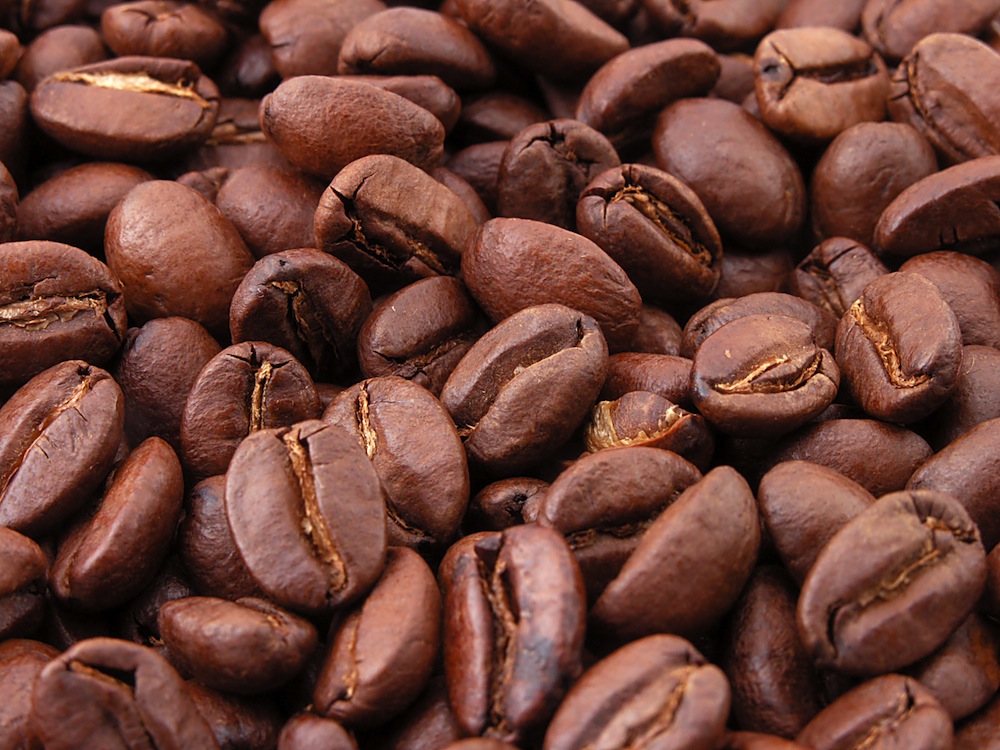
Cafeaua – cel mai nou biocombustibil

Boabele de cafea pot reprezenta o sursa ieftina si abundenta de biocombustibil, mai ales in tarile in care aceasta cultura este preponderenta.

Folosite in prezent ca ingrasamant agricol sau pur si simplu aruncate, boabele de cafea ar putea deveni o sursa de biodiesel ieftina si totodata ecologica, se arata intr-un studiu citat de ,The Guardian’. Boabele de cafea utilizate contin intre 11 si 20% ulei, in functie de tipul acestora. ‘Procentul este competitiv cu cel al altor resurse folosite pentru obtinerea de biocombustibil precum semintele de rapita (37-50%), uleiul de palmier (20%) sau cel de soia (20%)’, declara cercetatorii pentru publicatia ,Journal of Agricultural and Food Chemistry’.

Oamenii de stiinta de la Universitatea Nevada din Reno, SUA, au utilizat un proces deloc costisitor de extragere a uleiului din reziduurile ramase in urma prepararii de cappuccino si expresso pe care o realizeaza un lant multinational de cafenele.

Uleiul obtinut a fost ulterior transformat in biocombustibil, care poate fi folosit in alimentarea automobilelor si a camioanelor.

Productia mondiala de cafea se ridica anual la peste 7,2 milioane de tone, potrivit Ministerului Agriculturii din SUA. Aceasta cantitate ar putea genera 10 milioane de tone de biocombustibil, sunt de parere cercetatorii americani. In plus, uleiul obtinut din cafea are in compozitie o serie de antioxidanti necesari pentru stabilitatea biocombustibililor. Iar mai departe, resturile solide ramase in urma extragerii uleiului pot fi reutilizate pe post de ingrasamant natural.

Numai in Statele Unite s-ar realiza un profit anual de peste 8 milioane de dolari din biocombustibilul obtinut de la un singur lant important de cafenele.

by CENTI CENTI

Utilizarea biocombustibililor obtinuti din alge la alimentarea avioanelor

Conform BBC News, in luna ianuarie 2009, un avion de tip Boeing 737-800 a zburat fara probleme in timp ce unul dintre motoarele sale a fost alimentat cu un amestec 50-50 de biocombustibil si combustibil clasic de avion.

Avionul, care a decolat de pe un aeroport din Texas, s-a rotit deasupra Golfului Mexic timp de o ora si jumatate iar in timpul zborului au fost facute cu succes numeroase teste de urgenta, printre care si o oprire si repornire a motoarelor.

Responsabilii testului din partea companiei aviatice s-au declarat incantati de faptul ca pentru utilizarea amestecului de combustibili nu sunt necesare modificari motoarelor de avioane.

Extragerea biocombustibililor din alge este vazuta in prezent drept o solutie viabila la inlocuirea unei parti a hidrocarburilor clasice. Mai mult, acestia ar trebui sa ia locul biocombustibililor din prima generatie, care sunt extrasi din plante tehnice.

Cultivarea plantelor tehnice la scara mare a avut drept consecinte negative, pe de o parte, reducerea suprafetei cultivate cu cereale (ceea ce a insemnat cresterea pretului mondial al alimentelor). Pe de alta parte, extinderea suprafetelor cultivate cu plante tehnice pentru biocombustibili prin noi desteleniri a dus la reducerea masiva a ecosistemelor naturale in unele tari.

Folosirea algelor pentru biocombustibili este, de aceea, vazuta drept o solutie de viitor. Si asta pentru ca:

  • din aceeasi cantitate de alge se pot obtine cam de 30 de ori mai multi biocombustibili ca in cazul plantelor tehnice
  • pentru cresterea algelor nu este necesara utilizarea de terenuri agricole (ceea ce ar atenua efectele negative descrise mai sus)
  • algele se cresc foarte rapid

Biocombustibilul utilizat la teste a avut insa un amestec din doua surse – algele dar si o planta tehnica, deoarece biocombustibilii din alge sunt inca foarte scumpi. In ciuda numeroaselor testari a unor solutii de eficientizare si a avansului tehnologic din ultimii ani, va mai trebui sa treaca ceva timp pana cand algele ar putea deveni o sursa comerciala majora de biocombustibili.

Testul a fost, pe de o parte, primul in care un avion al unei companii americane a folosit o sursa alternativa de hidrocarburi. Pe de alta parte, acesta a fost primul zbor din lume al unui avion comercial cu doua motoare alimentat partial cu biocombustibili. Teste similare fusesera facute in 2008 cu avioane cu patru motoare.


by CENTI CENTI

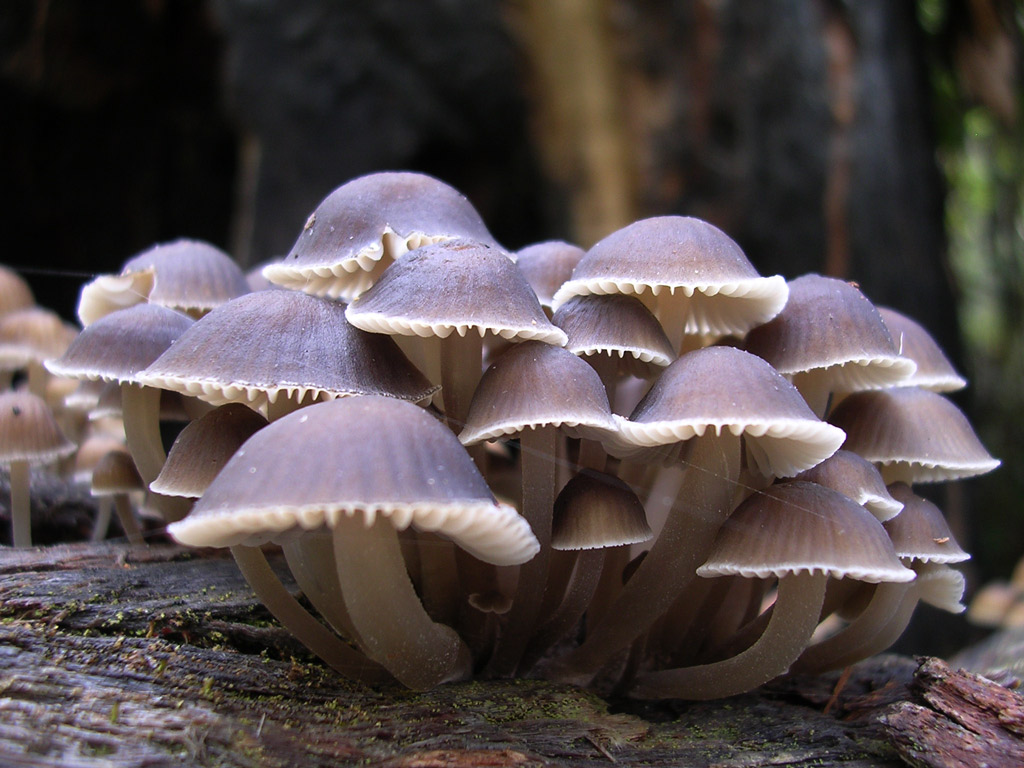
Cea mai noua sursa de biocombustibil: ciupercile

Recent s-a descoperit ca o ciuperca din Padurea Patagoniana a Americii de Sud ar putea fi folosita in viitor ca si biocombustibil. Da, ati inteles bine, ciupercile patagoniene, urmatorul biocombustibil.

Cercetatorii afirma ca aceasta ciuperca, Gliocladium roseum, are abilitatea de-a produce un exces de molecule de hidrogen si carbon intr-o combinatie unica, nemaintalnita la alte organisme in lume, si produsul este remarcabil de asemanator cu combustibilul folosit la masinile noastre. Si, potrivit unei dezbateri de Microbiologie, publicata recent, cercetatorii lucreaza momentan la dezvoltarea potentialului de producere a combustibilului. Asa ca, intr-o zi este posibil sa ne facem plinul masinilor datorita hidrocarburilor derivate din ciuperci in locul combustibilului fosil.

Se raporteaza ca ciuperca detine cateva proprietati care depasesc cu mult sursele actuale de biocombustibil. Sursele actuale trebuiesc rafinate inainte de-a fi transformate in combustibil, un proces meticulos si nu intotdeauna prietenos mediului. Ciperca are un avantaj clar fata de acesti biocombustibili deoarece produce “mico-diesel” direct din celuloza. Scurtarea procesului de productie inseamna reducerea costurilor si a CO2-ului eliberat in atmosfera.

Deoarece biocumbustibilii actuali sunt in marea majoritate derivati din recolte ce trebuiesc plantate si recoltate in ferme, au un impact substantial asupra preturilor si aprovizionarii. Pe de alta parte, ciupercile, pot fi crescute in fabrici, eliminand asemenea impact.

Desi ciudata, aceasta descoperire remarcabila a fost rezultatul unei intamplari fericite. Dr. Gary Strobel, profesor la Universitatea din Montana, a recoltat pentru prima data aceasta ciuperca cu ani in urma. Abia dupa examinari sofisticate a descoperit intamplator aceste unica proprietati de “mic-diesel“.


by CENTI CENTI

CENTI.ro

Noi facem legatura intre nevoile tehnologice ale IMM-urilor cu solutiile oferite de cercetarea stiintifica aplicativa de ultima oră.

Read more

by CENTI CENTI

Integrate System fo Biofuel Production and Use

Prof. eng. Alexandru Naghiu, PhD
Eng. Mircea Stefan Chintoanu
Prof.eng. Nicolae Burnete, PhD

alnaghiu@yahoo.com

Key words: biodiesel, integrate system, agriculture, farm

Abstract. The paper presents a biodiesel producing & use integrate system adaptable for agricultural farms in a decentralized manner. Different elements (key actions) of the design system are analyzed in respect of energy efficiency and environment protection.

The study pointed out that Romanian agriculture has all the necessary conditions to develop a sustenable biodiesel production & use and a network of farms working independently of fossil fuels and supplying the biodiesel for the engines used in the protected areas.

The proposed biofuel integrate system has been started to be implemented in a farm & association from Cluj county.

Introduction

Energy is the essence of life and one of the most basic of human needs, not as an end in itself but as a means to numerous ends. The taming of fire was one of human kinds earliest technological achievements. It provided energy for heat and light on demand. But today the environmental impacts of the world’s power plants, internal combustion engines and boilers have serious implications for the future health and well being of the planet.

According to the demands of the technological development and the life quality increasing, during the last 50 years, global consumption of commercial energy has risen more than fourfold, far outpacing the rise in population and all this energy comes from natural resources whether fossil fuels such as coal and oil, living resources such as timber and biomass, nuclear fuel such as uranium, or renewable resources such as flowing water and wind and the power of the sun.

A generation ago, there was concern that fossil fuels would run out, plunging the world into an energy crisis. Today the fear is that their continued use might be wrecking the global climate by emitting carbon dioxide (CO2) as we burn carbon-containing fuels (see fig. 1 and table 1). This anxiety is substantially increased in view of the considerable unmet demand for energy in the developing world. It is estimated that since 1751 roughly 283 billion tons of carbon have been released to the atmosphere from the consumption of fossil fuels and cement production. Half of these emissions have occurred since the mid 1970s. The 2000 global, fossil-fuel CO2 emission estimate, 6611 million metric tons of carbon, represents a 1.8% increase from 1999. The average annual fossil-fuel release for the decade 1990-1999 was 6.35 billion tons of carbon.

Globally, liquid and solid fuels accounted for 76.8% of the emissions from fossil-fuel burning in 2000. Combustion of gas fuels accounted for 19.3% (1277 million metric tons of carbon) of the total emissions from fossil fuels in 2000 and reflects a gradually increasing global utilization of natural gas. Emissions from cement production (226 million metric tons of carbon in 2000) have doubled since the mid 1970s and now represent 3.4% of global CO2 releases from fossil-fuel burning and cement production. Gas flaring, which accounted for roughly 2% of global emissions during the 1970s, now accounts for less than 1% of global fossil-fuel releases.

Table 1

CO emissions of the first country polluters

Country Total emissions  

[1000 tons of C]

Per capita emissions 

[tons/capita]


Total emission

[rank]

Growth 

[in %, 1990-96]

United States 144677 5,37 (1) 9,9
Peoples Rep. of China 917997 0,76 (18) 40,0
Russia Federation 431090 2,91 (6) -19,2 

(since 1992)

Japan 318686 2,54 (9) 9,1
India 272212 0,29 (20) 47,7
Germany 235050 2,87 (7) -12,2
United Kingdom 152015 2,59 (8) -1,1
Canada 11723 3,76 (4) -0,1
South Korea 11370 2,46 (11) 69,2
Italy 110052 1,92 (13) 1,1
Ukraine 108431 2,10 (12) -37,0 

(since 1992)

France (since 1992) 

(incl. Monaco)

98750 1,69 (15) 2,4
Poland 97375 2,52 (10) 2,6
Mexico 95007 1,02 (17) 18,0
Australia 838688 4,63 (2) 15,3
South Africa 79898 1,88 (14) 0,6
Brazil 74610 0,46 (19) 34,9
Saudi Arabia 73098 3,88 (3) 51,2

Exposure to air pollution is associated with numerous effects on human health, including respiratory problems, hospitalization for heart or lung diseases, and even premature death. Children are at greater risk because they are generally more active outdoors and their lungs are still developing. The elderly and people with heart or lung diseases are also more sensitive to some types of air pollution. Air pollution can also significantly affect ecosystems. For example, ground-level ozone has been associated with reductions of agricultural and commercial forest yields, and airborne releases of NOx are one of the largest sources of nitrogen pollution in certain water bodies.

In this context the use of “clean” fuels for the internal combustion engines is more than a desire is a necessity. Rodolfo Diesel, the father of the compression combustion engines, has foreseen the biofuels use. So, in 1900 he presented at the World Exhibition from Paris an engine working with peanut oil.

By economical considerations the biofuels use was abandoned till the beginning of ’70 when the petroleum crisis putted on table the problem alternative fuels.

Under the pressure of the XXI century environmental demands (expressed synthetically in the Kyoto Protocol that was signed by more than 160 countries) the use of biofuels in the case of diesel engines has been reconsidered, especially for the engines working in the most protected areas as communal domains, agriculture, sylviculture and tourist regions (including lakes for nautical sports).

Romania was one of the first industrialized countries that have ratification the Kyoto Protocol and so, has assumed responsibilities in pollution reduction. In this direction, biofuel use is an important element.


Biodiesel integrate system for producing and use in agriculture

Agriculture is an efficient energy provider, by converting the solar energy during the photosynthesis in biomass energy. Part of the harvest biomass can used for different biofuels production covering the fuel technological necessities.

In the present paper the authors are proposing an integrate system for biodiesel production and use in the agricultural farms based on the rape crop (fig. 2). This system includes eight main levels: crop technology, oil expeller, oil esterification, biodiesel use in internal combustion engines equipping agricultural tractors, oil cake use in animal breeding, bee keeping (melliferous use of rape crop), esterification sub products use and environmental monitoring.

There are about 1700 plants the can offer an oil suitable for use as fuel in the internal combustion engines. From these only 72 can represent a commercial interest. According to the natural conditions for agriculture from Romania, the winter rapeseed oil (WRO) and its methyl ester (RME) represents one of the best choices of the alternative fuels.

Crop technology. The rape crop requires a precise technology that includes high level seedbed preparation, low/medium level of chemical treatments and high quality harvesting combines. The crop yield varies between 2,5 and 3,2 t/ha.

The actual gross energy consumption for rape cultivation including fertilizers and pesticides corresponds to the general average in farming excluding fertilizers and pesticides. An increase in the rape production area will therefore not increase the total gross energy consumption in agriculture.

Oil expeller & esterification. Unlike ethanol, which is an alcohol, biodiesel is an ester (similar to vinegar) that can be made from several types of oils such as soybean, rapeseed, and vegetable or animal fats. Through a process called transesterification, organically derived oils are combined with alcohol (ethanol or methanol) and chemically altered to form fatty esters such as ethyl or methyl ester. The biomass-derived ethyl or methyl esters can be blended with conventional diesel fuel or used as a neat fuel (100% biodiesel).

The cold pressed rape seed oil presents the energetically and environmentally best alternative to fossil diesel with a strongly positive energy and CO2 balance. The use of rape seed oil for transport can substitute, after a minor modification of the engine, the agricultural sector’s own fuel consumption. The oil presents no fire and health hazards, and it is unpolluting. The oil is pressed in an unexpensive plant with a low energy consumption, and the whole production can take place at the individual farm so the fodder cakes can be used on site or be sold locally.

Biodiesel can substitute fossil diesel right away. However, biodiesel presents health and fire hazards in itself, and it is polluting. The pressing and the following esterification faze comprise an industrial process with a high energy consumption which requires an expensive, decentralised or decentralized production plant.

It can be estimated that at an oil production of 580.000 tons corresponds to 604 million litres rape seed oil equaling 580 million litres of diesel (this amounts about 32 TJ).

Animal fodder. A fodder cake production of 560.000 tons equals 623 million fodder units (FU), 20% of the total consumption of protein fodder of 3131 million FU.

We can estimate that by cultivation of winter rape, the total fuel consumption of the Romanian agricultural sector could be covered on a good 18 % of the arable area along with covering 25 % of the protein fodder consumption and about 80 % of agriculture’s total gross energy consumption.

The secondary system product is the rape cake that can be used successfully in the animal breeding sector. The fodder value and energy content in rape cakes from cold pressing of rape seed oil are presented in the table 1 and table 2.

Table 1

Fodder value in fodder units (FU) of rape cakes, cold pressing of rape seed oil
FU/kg solids % solids FU/kg rape cake
1.25 89 1.1125

Table 2

Energy content in rape cakes, cold pressing of rape seed oil Energy 

MJ/kg rape cake

Kind % of solids Energy, MJ/kg
Protein 33.7 23.9 8.05
Fat 14.6 39.8 5.81
Hydrocarbons 44.6 17.6 7.85
Total solids 92.9 21.71
Total at 89% solids 19.32

Bee keeping. Very interesting is the melliferous use of rape crop as bee keeping is an important component of the Romanian agriculture (for centuries) and honey an important export product.

The proposed integrate system for biodiesel producing and use has a high-energy efficiency and represents a feasible solution for a further national energy strategy development (see table 3).

Table 3

Energy efficiency of the integrate system for biodiesel producing & use in agriculture (at a minim yield of 3,2 t/ha)

System stage Crude oil Esterificated oil
Agricultural Production
agricultural production 3,2 t/ha 3,2 t/ha 3,2 t/ha 3,2 t/ha
energy production 76000 MJ/ha 76000 MJ/ha 76000 MJ/ha 76000 MJ/ha
energy consumption 17460 MJ/ha 17460 MJ/ha 17460 MJ/ha 17460 MJ/ha
input/output 1:4,3 1:4,3 1:4,3 1:4,3
energy benefit 330 % 330 % 330 % 330 %
OIL EXTRACTION Cold pressing Pressing & extraction
– energy consumption 900 MJ/ha 900 MJ/ha
Rape oil Rape cakes Rape oil Rape schrot
production 1,02 t/ha 2,1 t/ha 1,22 t/ha 1,9 t/ha
energy production 37700 MJ/ha 38400 MJ/ha 45100 MJ/ha 31000 MJ/ha
total energy consumption 9100 MJ/ha 9260 MJ/ha 13550 MJ/ha 9310 MJ/ha
input/output 1:4,4 1:4,1 1:3,3 1:3,3
energy benefit 310 % 310 % 230 % 230 %
ESTERIFICATION
energy consumption 7630 MJ/ha 7630 MJ/ha
Biodiesel Glycerin
production 1,21 t/ha 0,112 t/ha
energy production 44890 t/ha 1900 MJ/ha
total energy consumption 20310 t/ha 870 MJ/ha
input/output 1:2,55 1:2,55
energy benefit 155 % 155 %

Conclusions

The study carried on pointed out some conclusions from which the most important are considered to be:

  1. Humanity has at its disposition enough fossil energy carriers for several centuries, if it accept increasing prices
  2. At the actual technological & economical stage the humanity is not able to change to renewable energies quickly enough to solve global warming
  3. Renewable energies will come in operation step by step when they become competitive or they have support from the governments
  4. According to the natural conditions for agriculture from Romania, the winter rapeseed oil (WRO) and its methyl ester (RME) represents the best choice of the alternative fuels.
  5. There is a great unused potential for rape cultivation in Romanian agriculture.
  6. All the integrate system fazes are suitable for farm implementing.
  7. A lot of the Romanian farmers are determinate to implement the proposed integrate system for biodiesel producing & use.

References

  1. Bryce, J. T. et al. The Kyoto Protocol: Greenhouse Gas Emissions and the Agricultural Sector. CSALE Working Paper Series, vol. 1, no.1, Saskatchewan: Centre for Studies in Agriculture, Law and the Environment, 1999.
  2. Burnete, N., Naghiu, Al., Teberean, I., Filip, N., TodoruÅ£, A., Barabas, I., Borza, E., Coldea Cr., Vlad, N., Bacu, Fl., Costea, A., Mixes of the diesel fuel with vegetal oil – alternative fuel for the diesel engines, în: Proceedings of the CONAT 2004 Congress, Conat20042114
  3. W.Körbitz, Biodiesel: A Summary of Environmental Benefits, Austrian Biofuels Institute ABI, Vienna, 1998
  4. Naghiu, Al, Naghiu, Livia., Baza energetică pentru agricultură, horticultură şi silvicultură, Editura Risoprint, Cluj-Napoca, 2003
  5. Naghiu, Al., Burnete, N., Studies upon the biofuels production and use, în: Buletinul USAMV-CN, A-H, 60/2004 (-) ISSN 1454-2382, pg. 453
  6. C.L.Peterson, Biodiesel fuel production/properties, Proceedings of the 3rd Liquid Fuel Conference of ASAE, Nashville, USA ( 1996)
  7. G.Vellguth, Energetische Nutzung von Rapsöl und Rapsölmethylester, Dokumentation Nachwachsende Rohstoffe (1991),
  8. * * * , ‘Biofuels’, European Commission, DG XII, Eur.15647 EN (1994)
by CENTI CENTI

Considerations upon the potential of Romania

Prof. Alexandru Naghiu, PhD
Eng. Mircea Stefan Chintoanu
Prof. Nicolae Burnete, PhD
eng. Adriana Paula David

alnaghiu@yahoo.com

Key words: biodiesel, potential, agriculture, bio energy, pollution

Abstract. The paper presents the Romanian potential for biofuels production and use in the European context. A strong knowledge and expertise exists in Romania in this area, both for biochemical and thermochemical systems. It started years ago (in early ’80ies) and knows to day an exponential development.

The study pointed out that Romanian agriculture has all the necessary conditions to develop a sustainable biodiesel production & use and to become one of the most important European producer of biofuels. In the same time the production of fuels that protect the environment as well as provide an economical and sustainable source of income in the rural areas is extremely important for Romania.

It will be necessary, while supporting the implementation of currently available biofuels, to promote the transition towards second generation biofuels, which will be produced from a wider range of feedstock and which will help to reduce costs of “saved” CO2

Energy, pollution and biofuels

According to the demands of the technological development and the life quality increasing, during the last 50 years, global consumption of commercial energy has risen more than fourfold, far outpacing the rise in population and all this energy comes from natural resources whether fossil fuels such as coal and oil, living resources such as timber and biomass, nuclear fuel such as uranium, or renewable resources such as flowing water and wind and the power of the sun [1]. A generation ago, there was concern that fossil fuels would run out, plunging the world into an energy crisis. Today the fear is that their continued use might be wrecking the global climate by emitting carbon dioxide (CO2) as we burn carbon-containing fuels. This anxiety is substantially increased in view of the considerable unmet demand for energy in the developing world [6].

The Kyoto Protocol to the United Nations Framework Convention on Climate Change is an amendment to the international treaty on climate change, assigning mandatory emission limitations for the reduction of greenhouse gas emissions to the signatory nations. It covers now more than 160 countries globally and has as objective the stabilization of greenhouse gas concentrations in the atmosphere at a level that would prevent dangerous anthropogenic interference with the climate system. Countries that ratify this protocol commit to reduce their emissions of carbon dioxide and five other greenhouse gases (methane, nitrous oxide, sulfur hexafluoride, HFCs, and PFCs), or engage in emissions trading if they maintain or increase emissions of these gases.

According to the Kyoto Protocol Governments are separated into two general categories: developed countries, referred to as Annex I countries (who have accepted greenhouse gas emission reduction obligations and must submit an annual greenhouse gas inventory); and developing countries, referred to as Non-Annex I countries (who have no greenhouse gas emission reduction obligations but may participate in the Clean Development Mechanism). By 2008-2012, Annex I countries have to reduce their greenhouse gas emissions by a collective average of 5% below their 1990 levels (for many countries, such as the EU member states, this corresponds to some 15% below their expected greenhouse gas emissions in 2008). Any Annex I country that fails to meet its Kyoto obligation will be penalized by having to submit 1,3 emission allowances in a second commitment period for every ton of greenhouse gas emissions they exceed their cap in the first commitment period.

The EU road transport sector accounts for more than 30% of the total energy consumption in the Community. Actually, it is 98 % dependent on fossil fuels with a high share of imports and thus extremely vulnerable to oil market disturbance [7]. The growing transport sector is considered to be one of the main reasons for the EU failing to meet the Kyoto targets as it is expected an increase of 90 % of the CO2 emissions between 1990 and 2010.

Considering these circumstances Europe has defined ambitious targets for the biofuels development. The aim is to improve European domestic energy security, improve the overall CO2 balance and sustain European competitiveness. The development of innovative biofuel technologies will help to reach these objectives.

The current production of liquid biofuels in the EU is about 2 Mtoe, which is less than 1 % of the market. Although there have been marked increases in production and use in recent years, the market share is at risk of failing the EU policy target for 2010 of 18 Mtoe used in the transport sector.

The EU has a significant potential for the production of biofuels. It is estimated that between 4 and 18 % of the total agricultural land in the EU would be needed to produce the amount of biofuels to reach the level of liquid fossil fuel replacement required for the transport sector in the Directive 2003/30/EC. Furthermore, biofuels can contribute to the EU’s objectives of securing the EU fuel supply while improving the greenhouse gas balance and fostering the development of a competitive European (biofuels and other) industry.

An ambitious and achievable vision for 2030 is that up to one quarter of the EU’s transport fuel needs could be met by clean and CO2-efficient biofuels. A substantial part will be provided by a competitive European industry, using a wide range of biomass resources, based on sustainable and innovative technologies. Biofuel development will create opportunities for biomass providers, biofuel producers and the automotive industry. Also, the European technology will be used in 2030 in many countries exporting biofuels to Europe.

Reaching the vision means considerably increasing domestic biofuel production, while balancing it with international biofuel trade. This will not only require substantial investment in biomass production, harvesting, distribution and processing, but also calls for agreed biofuel and biofuel-blend standards.

The majority of engines available in 2030 will require liquid fuels, although their molecular composition might have evolved from today’s fuels. It will be beneficial if the new fuels are similar to, or at least compatible with, today’s fuel types and specifications. Ability to mix fuels from alternative sources with current, conventional fuels without jeopardising the standard fuel specifications, and making use of existing infrastructure, is a very effective means for the implementation of these fuels.

Thus, the challenge is to increase substantially the production of biofuels that are commercially viable, CO2-efficient and compatible with vehicle engines, by using innovative processes and technologies. To achieve this, it is necessary, while supporting the implementation of currently available biofuels, to promote the transition towards “second generation biofuels”, which will be produced from a wider range of feedstock (including waste biomass), reduce competition for land and food, and which will help to reduce costs of “saved” CO2.

According to these realities research and development are paramount in reaching the vision. A phased development is envisaged based on short-term improvement of existing feedstock and technologies, RTD&D (research, technology development and demonstration) and commercial production of 2nd generation biofuels (mainly from lignocellulosic biomass), RTD&D and implementation of full-scale integrated biorefineries, and new energy crops.

For supply of the biomass feedstock, sustainable land strategies must be created that are compatible with the climatic, environmental and socio-economic conditions prevailing in each region. In Romania the BIOCOMB Consortium is responsible for the National Strategy for Biofuels and Biomass Action Plan designing.

The production and use of both the primary and residual forms from agricultural, forestry and industrial operations must be promoted. In the same time, the research on improving crop yields and energy input/output, as well as key quality characteristics using advanced technologies, should be taken carefully into account.

Romanian biofuels potential

Agriculture is an efficient energy provider, by converting the solar energy during the photosynthesis in biomass energy. Part of the harvest biomass can used for different biofuels production covering the fuel technological necessities.

With a surface area of 238,393 km², Romania is the largest country in southeastern Europe and the twelfth-largest in Europe. In the same time, Romania has very harmonious physical features: 31% of Romania’s surface is covered by mountains, 33% by hills and tablelands, and 35% by plains. The Carpathian Mountains dominate the centre of Romania, with fourteen of its peaks reaching above the altitude of 2,000 metres. The highest mountain in Romania is Moldoveanu Peak (2544 m). In south-central Romania, the Carpathians sweeten into hills, towards the Bărăgan Plains. Romania’s geographical diversity has led to an accompanying diversity of flora and fauna. The country has the largest brown bear population in Europe, while chamois are also known to live in the Carpathian Mountains, which dominate the centre of Romania.

Of the total surface of the country (237,500 km2), 62 % represents agricultural land, 26,7 % is forest, 3,7 % is covered by water and 7,3% represents other surfaces (fig. 1).

From the agricultural surface (total 9398500 ha, from which 7012666 ha EU eligible) main part is arable land and the rest of it is divided between pastures, hayfields and vineyards & orchards (fig. 2).

The two pathways presently used in Europe at large scale are (see table 1): ethanol production from sugar crops or starch (grain crops) and bio-diesel from oil-seed crops (rapeseed, sunflower, soy bean and other raw materials) converted into methyl esters (Fatty Acid Methyl Ester or FAME). Actually, in Romania biodiesel production is the most used technology for biofuels.

Ethanol can be incorporated in the gasoline pool, but only to a limited percentage (at present 5 %, based on the current gasoline norm EN228) without engine modifications. Some ethanol is also used as a 85 % blend (E85) in flexible fuel cars, mixed with diesel using a stabilizing additive (e-diesel), and as fuel for diesel buses (with ignition improver). The most frequent use of ethanol in Europe at present is, however, through conversion into derivatives such as ethyl tertiary butyl ether (ETBE) (etherification of ethanol and isobutene, a by-product of refinery processes), although they may have (like other etheroxygenates) some disadvantages, such as potential ground water contamination. Its use can also be limited by the availability of isobutene.

Pressed vegetable oil as such has been tested in vehicle fleets with controversial results. Conversion of oil of biological origin (plants/animals) by esterification with methanol results in a fuel widely accepted by diesel engineers. It is used both in pure form and admixed to diesel from mineral oil. Esterification of oils from biological origin with bioethanol will be discussed further in order to generate biodiesel independent from fossil fuels. Today, fossil methanol is used for the esterification. A better option in the future would be to use bio-methanol in the FAME production, or the production of Fatty Acid Ethyl Ester (FAEE) bio-ethanol instead of methanol.

The production of biogas is a third available pathway, but it is very limited at the moment, in Romania. It can be either produced in dedicated facilities from organic wastes or recovered from municipal solid waste landfills. The recovery of biogas is important not only as a resource, but also for avoiding the discharge of a greenhouse gas in the atmosphere. Upgraded biogas compressed at a pressure around 200 bar can be used as an engine fuel. This option has to be better assessed, but presently represents a niche market.

Table 1

Biofuels first two generations

First generation (conventional) biofuels
Biofuel type Specific names Biomass feedstock Production process
Bioethanol Conventional bioethanol Sugar beet, grains Hydrolisis & fermentation
Vagetable oil Pure plant oil (PPO) Oil crops (rape, soia, sunflower) Cold pressing/extraction
Biodiesel Biodiesel from energy crops Oil crops (rape, soia, sunflower) Cold pressing/extraction & transesterification
Biodiesel Biodiesel from waste (FAME/FAEE) Waste/cooking/frying oil/animal fat Transesterification
Biogas Upgraded biogas (Wet) biomass Digestion
Bio-ETBE Bioethanol Chemical synthesis
Second generation biofuels
Biofuel type Specific names Biomass feedstock Production process
Bioethanol Cellulosic bioethanol Lignocellulosic material Advanced hydrolysis & fermentation
 

Synthetic biofuels

Biomass-to-liquids (BTL) 

Fischer-Ttropsch (FT) diesel

Sythetic biodiesel

Biomethanol

Heavier (mixed) alcohols

Biodimetylether (Bio-DME)

Lignocellulosic material Gasification & synthesis
Biodiesel Hydro-treated biodiesel Vegetable oils and animal fat Hydro-treatment
Biogas SNG (Synthetic Natural Gas) Lignocellulosic material Gasification & synthesis
Biohydrogen Lignocellulosic material Gasification & synthesis or biological process

A strong knowledge and expertise exists in Romania in this area, both for biochemical and thermochemical systems. It started years ago (in early ’80ies) and knows to day an exponential development.

Currently, agricultural and forestry systems exploit only part of their production, i.e. “primary” products, while they leave unexploited significant “residual” quantities. The use of both the primary and the residual resources through integrated and sustainable pathways should be promoted. It will also be necessary to utilize biomass fractions that are presently discarded and to make the best use of the whole plant. Specific non-food, high yield biomass can be developed but needs to take account of issues, such as biodiversity and labor conditions.

Dedicated energy feedstock in the form of energy crops represents for Romania a promising outlet to security of supply issues for future biofuel production. Like the other biomass resources, they can be converted into virtually any energy form. However, their main advantage is that they can be developed to optimize key characteristics for energy applications and their sustained production can better ensure long term large-scale supplies with uniform characteristics. Energy crops may also have significantly higher yields per unit of land area than natural stands. These higher yields improve their cost effectiveness over conventional crops and minimize land requirements, associated chemical use, and hauling requirements.

Developing innovative technologies can secure new jobs in rural areas, but also within industrial companies. The employment balance of biofuels is estimated to be about 16 jobs per ktoe, nearly all in rural areas (each 1 % proportion of biofuels in total fossil fuel consumption will create between 45000 and 75000 new jobs in rural areas). Innovative technologies are needed to produce biofuels in an energy efficient way, from a wider range of biomass resources and to reduce costs. The options, which will be developed, need to be sustainable in economic, environmental and social terms, and bring the Romanian industry to a leading position. This means that apart from purely economic factors, e.g. investment, operating cost, and productive capacity, other factors have to be taken into account such as the greenhouse gas and energy balances, the potential competition with food production and the impact of biomass production on the environment.

Conclusions

The study carried on pointed out some conclusions from which the most important are considered to be:

  • Humanity has at its disposition enough fossil energy carriers for several centuries, if it accept increasing prices. Renewable energies will come in operation step by step when they become competitive or they have support from the governments.
  • To ensure the reduction of CO2 emissions, a market mechanism will be required to ensure that CO2-efficiency of bio-fuels is acknowledged and rewarded. Mechanisms (e.g. a certification scheme) could be used to promote the production and use of “more CO2-effective” biofuels.
  • Agriculture and forest-derived material must be processed on a decentralised basis to avoid uneconomic shipping costs. An option to be considered is pre-processing difficult to handle biomass and transporting the processed form. This is more efficient both in terms of energy value per transport unit and reduced costs.
  • There is a great unused potential for energy crops cultivation in Romanian agriculture.
  • According to its natural conditions for agriculture, Romania can be one of the most important biofuels producer in Europe. Here can be easily produced about 2,5 106 t of biofuels on the non subvention agricultural land.
  • In important challenge is to increase substantially the production of biofuels by using innovative processes and technologies, which are both competitive and sustainable.
  • It will be necessary, while supporting the implementation of currently available biofuels, to promote the transition towards second generation biofuels, which will be produced from a wider range of feedstock and which will help to reduce costs of “saved” CO2.

References

  1. Naghiu, Al, Apostu, S., Green energy a challange of the third millenium society, Proceedings of the Vth AIMPN Congress, Cluj-Napoca, 2006
  2. Naghiu, Al, Naghiu, Livia., Baza energetică pentru agricultură, horticultură şi silvicultură (Energy base for agriculture and forestry), Editura Risoprint, Cluj-Napoca, 2003
  3. Naghiu, Al., Burnete, N., Renewable energy – A challenge to agricultural farms, in Trakia Journal of Sciences, Vol. 3, No.6, pp 1-7, ISSN 1312-1723, Stara-Zagora, 2005
  4. Naghiu, Al., Bataga, N., Maurer, K., Studies upon the possibilities of biofuel use in the case of engines with wall film injection system. ESFR, Pitesti, 1997.
  5. * * * , ‘Biofuels’, European Commission, DG XII, Eur.15647 EN (1994)
  6. * * * , (2006) World Energy Outlook, International Energy Agency – IEA
  7. * * * , (2006) Biofuels in the European Union, A vision for 2030 and beyond. Final draft report of the Biofuels Research Advisory Council, Buxelles